

The History of Reiki
From the International Association of Reiki Professionals website
The history of Usui Reiki begins with its founder, Dr. Mikao Usui.
Dr. Usui was born to a wealthy Buddhist family in 1865. His family was able to provide him with a well-rounded education for the time. As a child, he studied in a Buddhist monastery, where he was taught martial arts, swordsmanship, and the Japanese form of Chi Kung, known as Kiko.
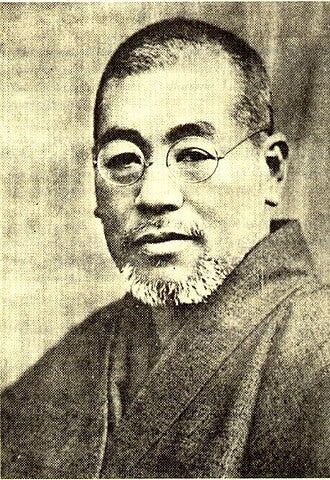
Throughout his education, Dr. Usui had an interest in medicine, psychology, and theology. This interest prompted him to seek a way to heal himself and others using the laying on of hands. His desire was to find a method of healing that was not attached to any specific religion or religious belief, so that his system would be accessible to everyone.
Dr. Usui traveled extensively during his lifetime. He studied various healing systems and held different professions, including reporter, secretary, missionary, public servant, and guard. Eventually, he became a Buddhist priest/monk and lived in a monastery.
During his years of training, Dr. Usui underwent a personal spiritual retreat in a cave on Mount Kurama. For 21 days, he fasted, meditated, and prayed. On the morning of the twenty-first day, he experienced an event that would change his life forever. He saw ancient Sanskrit symbols that helped him develop the system of healing he had long been seeking. Usui Reiki was born.
Following his spiritual awakening, Dr. Usui established a clinic for healing and teaching in Kyoto.
As the practice of Usui Reiki spread, he became known for his healing work. In 1922, he founded his first Reiki clinic and school in Tokyo.
Before his death, Dr. Usui taught several Reiki Masters to ensure that his system would continue. Among them was Dr. Chujiro Hayashi, a former naval officer who opened his own Reiki clinic in Tokyo.
Dr. Hayashi is credited with further developing the Usui system of Reiki by introducing additional hand positions to more thoroughly cover the body. He also refined the attunement process. Using his enhanced system, he trained several more Reiki Masters, including Hawayo Takata, a Japanese-American woman who initially sought healing from him. After learning the system, Mrs. Takata brought Reiki to the United States.
Mrs. Takata continued to practice and teach Reiki, eventually becoming a Reiki Master herself. Much of her work occurred near the beginning of World War II. Dedicated to spreading this healing system, she attuned 22 Reiki Masters before her passing.
Today, people around the world practice Reiki using the methods developed by Dr. Usui, the founder of Usui Reiki.
The beauty of Reiki lies in its accessibility: practitioners can use it to support their own healing and wellbeing. In fact, self-healing is a foundational practice before offering Reiki to others.
Modern Reiki Masters channel Reiki energy through gentle, static light-pressure touch, using traditional hand positions — and even from a distance. Reiki complements many conventional medical therapies and can assist in the healing process for people experiencing pain, illness, disease, and more.
As time goes on, Reiki continues to grow in popularity, and the lineage of Reiki Masters expands every day.